
Eco-Friendly Landscaping Services That Reduce Outdoor Water Usage
The old practice of keeping the landscape healthy and green meant using a lot of city water, applying chemicals frequently, and doing constant maintenance. But as costs continue to climb, water shortages are becoming a problem in the region and people are more conscious of their environment, homeowners are looking for green substitutes. Eco-friendly landscaping services focus on designing exterior spaces that conserve water while maintaining overall health and appeal. A homeowner can significantly cut back on water use for the landscape without sacrificing curb appeal with water-efficient plant selection, water-efficient landscaping advice and natural soil conservation methods.
Conservation of water and use of native plants.
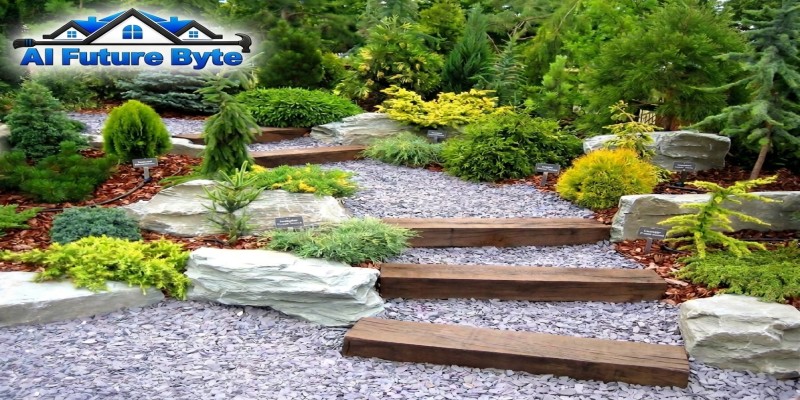
Xeriscaping is a landscaping design technique that focuses on landscaping that is drought resistant, and can be one of the most effective ways to curb outdoor water use. In old fashioned lawns, thousands of gallons of water are needed per season to keep the lawn green. The substitution of large areas of grass with native plants, ornamental grasses and drought tolerant perennials greatly decreases the amount of supplemental watering that is required. Once established, local species are well adapted to local rainfall, soil and regional climate fluctuations, and as such thrive naturally. Further, flagstone paths, gravel borders, and river rock beds offer a beautiful contrast of color and texture, and, of course, help to forever reduce irrigation acres.
Smart irrigation systems installation and precision drip installation.
The watering schedules, oversprinkling onto concrete walkways and evaporation losses from legacy sprinkler systems can be a huge waste of water. This problem is eliminated through professional eco-friendly landscaping services that use smart irrigation controllers and accurate drip systems. Smart controllers are directly connected with local weather stations and soil moisture sensors, and dynamically adjust watering cycles in real-time based on the rainfall, humidity and evaporation rate. They can be used with drip irrigation to the plant root zone and evaporation is minimised and undesirable weed growth around the other beds is avoided.
Harvesting of rainwater and integration of swales.
The free, nutrient-rich water that can be used for outdoor plants is an excellent source of natural rain water collected before it flows into the municipal storm drain. There are many different integrated rainwater harvesting systems used in landscaping by professionals, including rain water barrels that attach to gutter downspouts and cleverly hidden underground storage cisterns with distribution pumps. Landscapers may change the landscape geometry to increase natural groundwater recharge, including rain gardens and vegetated swales. These natural topographic lows are important topographic sinks during heavy rainstorms that help to reduce surface runoff velocity, hold water in place and allow for slow infiltration of water into the surrounding soils to provide the plant root network during extended dry periods.
Identify different parts of a soil profile. Describe the different parts of a soil.
A healthy soil with nutrients will act like a sponge, retain soil moisture for long periods and will require less irrigation cycles. Water, natural soil improvement and rich organic compost are used in eco-friendly landscaping services to improve the soil and water retention. The beds will be planted and mulched heavily with thick layer of organic mulch (shredded bark or natural wood chips) which will help to keep the soil shaded, cool, and significantly reduce soil moisture evaporation. If you still wish to have a luxuriant green lawn, low water grass covers like white clover, creeping thyme or fine fescue mixes are lush looking and do not require any synthetic fertilizers, and require very little watering.
Conclusion
Choosing eco-friendly landscaping services not only helps to save the environment, but also helps you save a lot in your water bills every month. Water-smart techniques that include natural landscaping, rainwater harvesting, mulching and automated watering systems can be employed by property owners to create beautiful, natural landscapes. Such environmentally sensible practices outside can help to limit your dependence on municipal water, decrease the maintenance required for your property and have a flourishing garden that will be environmentally balanced and resource efficient.
